
Resetting the Rhythm: Leading with Pace and Pause
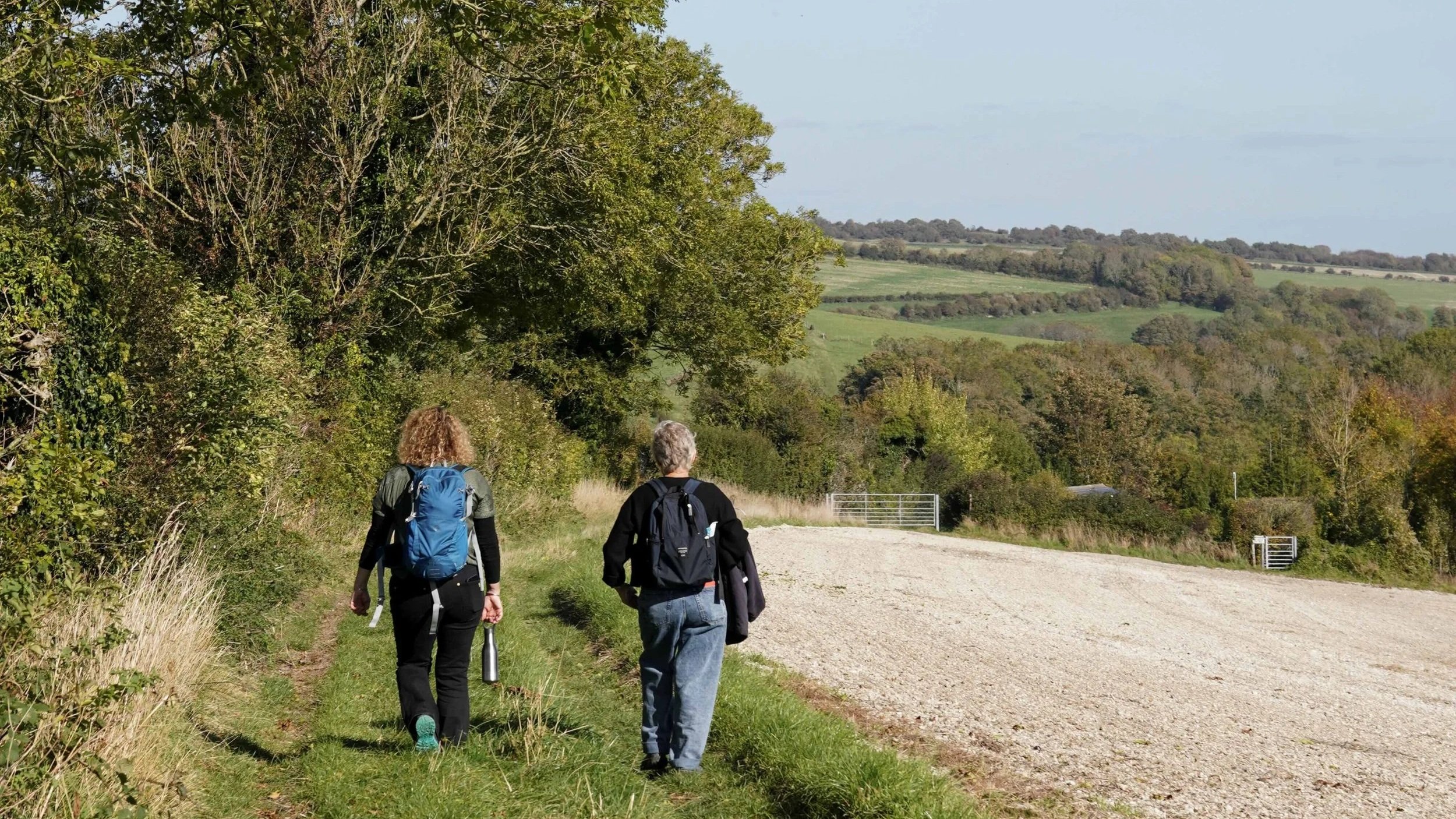
This season, we have been thinking about pace, about leading at pace and with pauses, times to slow down, to stop and think, to reflect and deepen connection.
What the soil taught us
One of the sessions from Anthropy 26 that stayed with us the most was not about leadership at all, at least not on the surface. It was about soil health.
The speakers talked about what lives beneath the ground. The mycelium networks. The microbiomes. The invisible, interconnected relationships that determine whether the earth above is fertile or depleted. Whether what grows in it can flourish, or whether it struggles, however much effort is put in.
We found ourselves having the same thought at the same time.
This is what teams are like.
When the conditions are right, when trust has been tended to, when people feel genuinely heard, when there is enough space and safety for honest conversation, remarkable things become possible. Not because people are working harder, but because the ground beneath them can hold it.
When conditions are depleted, when pace has become relentless, when conversations stay at surface level, when there is no space between the doing, even the most talented, committed people will struggle. Not from lack of effort. From lack of the right conditions.
The soil does not lie. And neither, in our experience, do teams.
The sustainability question
In our work with leadership teams, we come back again and again to a deceptively simple question: are you leading at a pace your people can sustain?
Sustaining in a way that leaves space for reflection, for genuine connection, for the kind of conversation that goes beneath the agenda item.
Because here is what we notice. The teams that are moving fastest are not always the ones making the most progress. And the leaders who are most stretched are not always the most present to the people around them.
Pausing is not about slowing down for its own sake. It is about finding the pace at which thinking, relating and working together can actually be good.
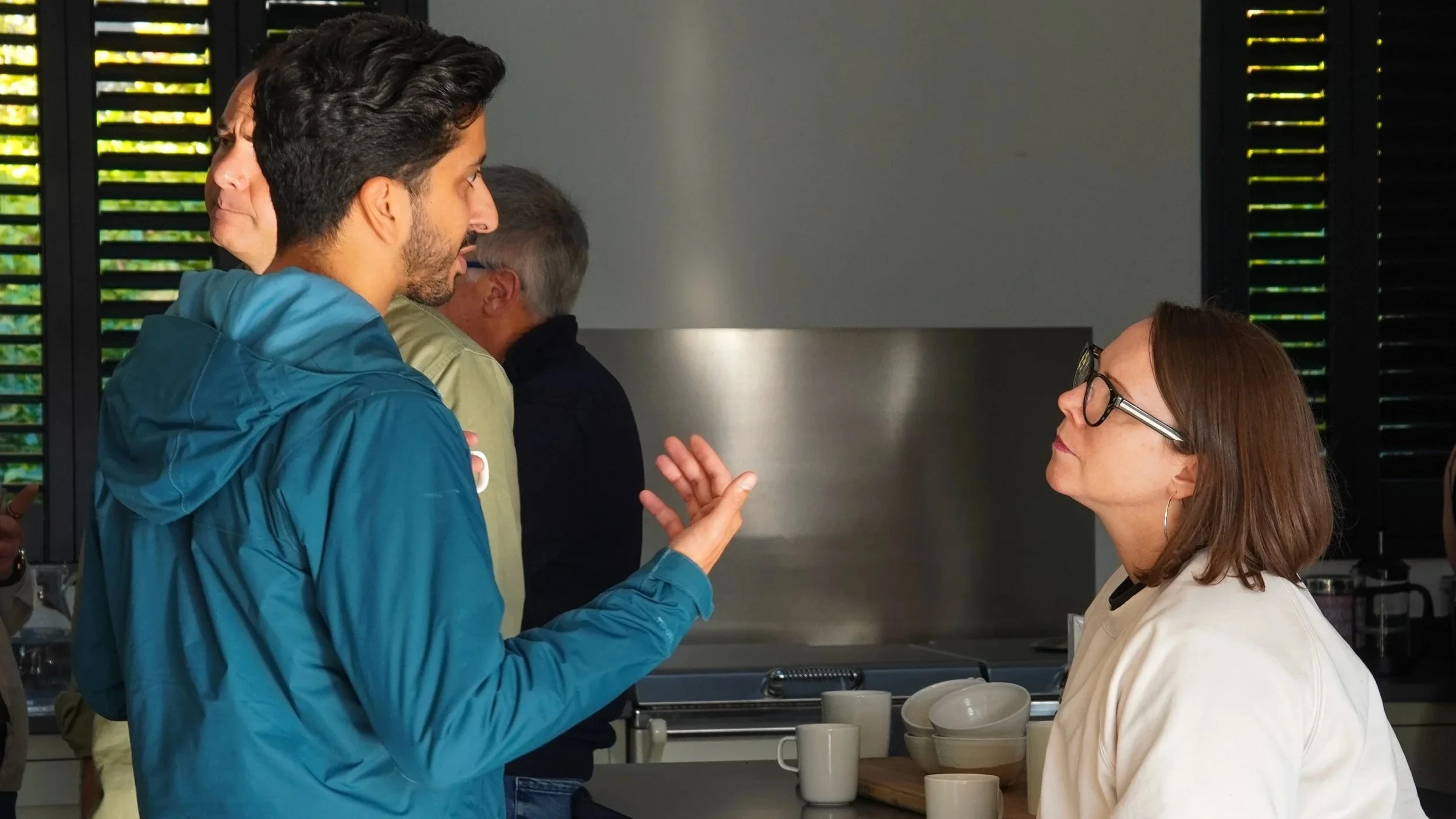
Three patterns of behaviour that disrupt human connection
Meetings that fill space rather than create it
When every slot is occupied, when there is always another call, there is no room for anything unexpected, including insight. The connection becomes transactional. People start to disengage, often without knowing why.
Feedback that only flows in one direction
When leaders speak more than they listen, contribution drops. People learn to perform in agreement rather than offer what they actually think.
The absence of pause
This one is subtle and very common. Teams that never stop to ask how things are going, genuinely, not rhetorically, tend to drift. Small misalignments grow. The energy shifts, and nobody quite notices until it has become something harder to address.
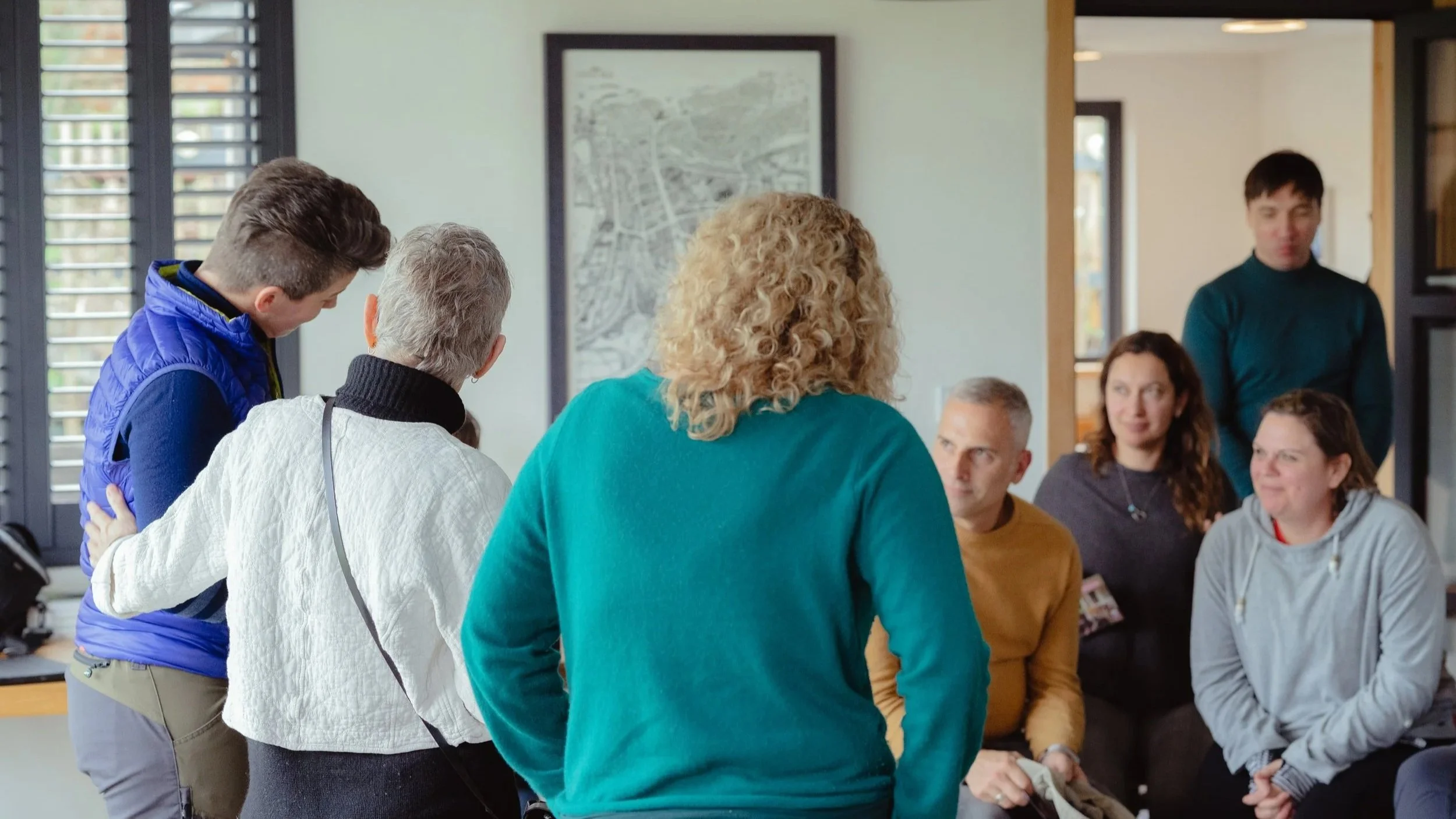
Three practices that restore human connection
Slow the pace of your questions
A well-placed question, held open long enough for people to actually answer it, changes the rhythm of a room. Not 'any questions?' at the end of a presentation. Something more specific, more genuine, more patient. Ask one, and then really wait.
Create a moment of stillness before your next meeting
Even two minutes of quiet changes the quality of what follows. It is not a mindfulness exercise; it is a practical intervention. People arrive in the room rather than simply transferring from one screen to the next.
Walk and talk instead of sitting and presenting
This is something we have practised and written about for years, and it never stops being true. When you move alongside someone rather than facing them across a table, the quality of conversation changes. Defences lower. Things get said that would not otherwise have found their way out. The rhythm of the walk becomes the rhythm of the exchange.

What the Collaborative Edge Behavioural Enquiry offers you
One of the things that makes this pattern so difficult to address is that it is hard to see from inside it.
When you are in a depleted system, it can feel normal. When the pace is unsustainable, there is often not enough space to notice that it is unsustainable. It takes something from outside, a question, a mirror, a different kind of conversation, to surface what is actually happening.
The Collaborative Edge Behavioural Enquiry (CEBE) is a is a structured, human centred, conversational tool that invites you to reflect on your own mindset and behaviours at work It goes beneath the surface of how a team is working, surfaces the behaviours, the ones that serve and the ones that are quietly getting in the way, and gives leaders a clear, grounded picture of where to focus.
CEBE is not a survey. It is a conversation, one that honours the complexity of real teams and real people.
We are currently developing CEBE Lite. To be the first to hear about it and other developments, sign up to The Collaborative Edge newsletter.
What about you?
Before we close, three questions to sit with this month.
What does the current pace of your team feel like, to you, and to them? Not as a performance check. As a genuine inquiry. When did you last ask?
Where in your ways of working is the pace serving you, and where is it grinding? Think about the patterns, not the individual moments. What keeps happening, and what does it cost?
What one thing could you change this month to create more space for the conversations that matter? It does not have to be big. It rarely is. Often, it is a question asked differently. A meeting restructured. An hour given back. A walk taken together.
We would love to hear what comes up for you.
Coming up
Our next Walking Partnerships day is on 25 June. A full day in nature for leaders led by Anni Townend, Lucy Kidd and Natalie Shering. If you would like to join us, register your interest by emailing Anni.
If you are curious about Team Collaborative Edge coaching or would like to explore how we might work with your leadership team, start with a discovery call.
With Curiosity, Care and Courage,
Lucy and Anni