
The Cost of Caution
By Anni Townend and Lucy Kidd, Collaboration Equation
The meeting that unravels
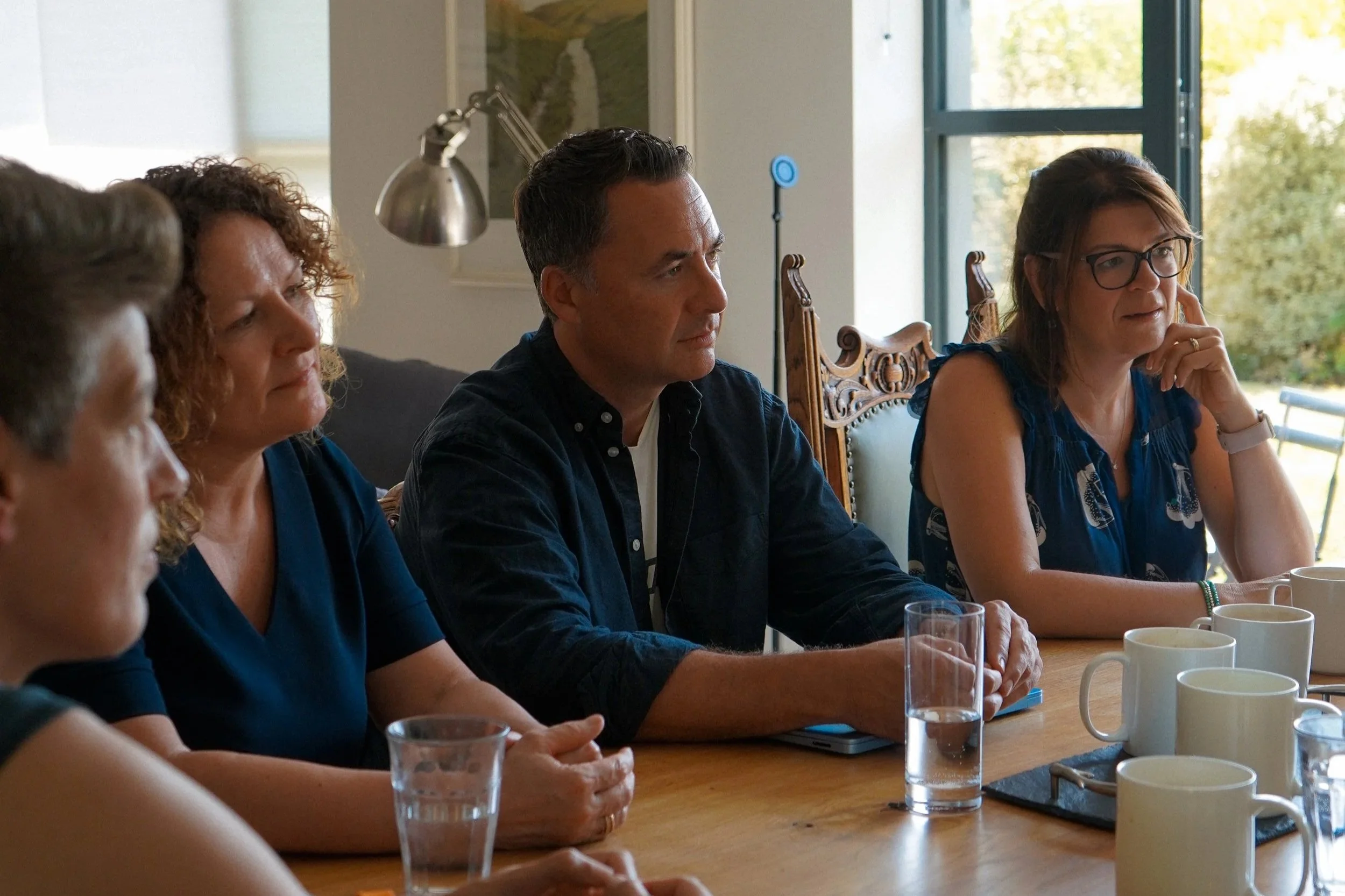
There is a meeting most of us recognise. It ends well. Everyone nods. The plan is agreed. Then without warning, it slowly unravels. The concern nobody raised at the time emerges as a real risk. The idea somebody chose not to mention turns out to have been the better option. The team finds itself back in the meeting to have the conversation that was not possible the first time, except now it costs more, in time, in trust, and in the goodwill of the people who have started keeping their best thinking to themselves. This is not a failure of talent or effort. It is what happens when a team has learned, often subconsciously, that speaking up costs more than staying cautiously quiet. We call this ‘the appearance of alignment’.
What silence actually costs
The cost of this caution is real and significant. When people hold back, it costs time, energy and money. ACAS recorded that 44 per cent of working-age adults in Great Britain experienced conflict at work in the past year, the highest level since records began, and that 57 per cent of those affected reported stress, anxiety or depression as a result. The same research puts the cost of workplace conflict to UK organisations at £28.5 billion a year, more than £1,000 for every employee. The CIPD's Good Work Index found that only 24 per cent of employees confront a challenging situation directly, and Crucial Learning's research found that one in three employees believe their own silence has cost their organisation at least £25,000.
What changes when Curiosity, Care and Courage are chosen
What we have found to work, across boardrooms and leadership teams, is the shift when a team trusts their capacity to navigate the tough conversations. Choosing to meet these with Curiosity, Care and Courage co-creates the psychological safety for an expansive conversation that the team holds a shared responsibility to maintain. Curiosity considers the question nobody has yet asked. Care holds the person while the truth is spoken. Courage invites the uncomfortable thing to be said out loud, in the conversation, rather than in the private debrief afterwards. The conversations that change something are rarely comfortable in the moment. They are, almost without exception, the ones that free up energy and time, and they can change your chances of success.
The power of three
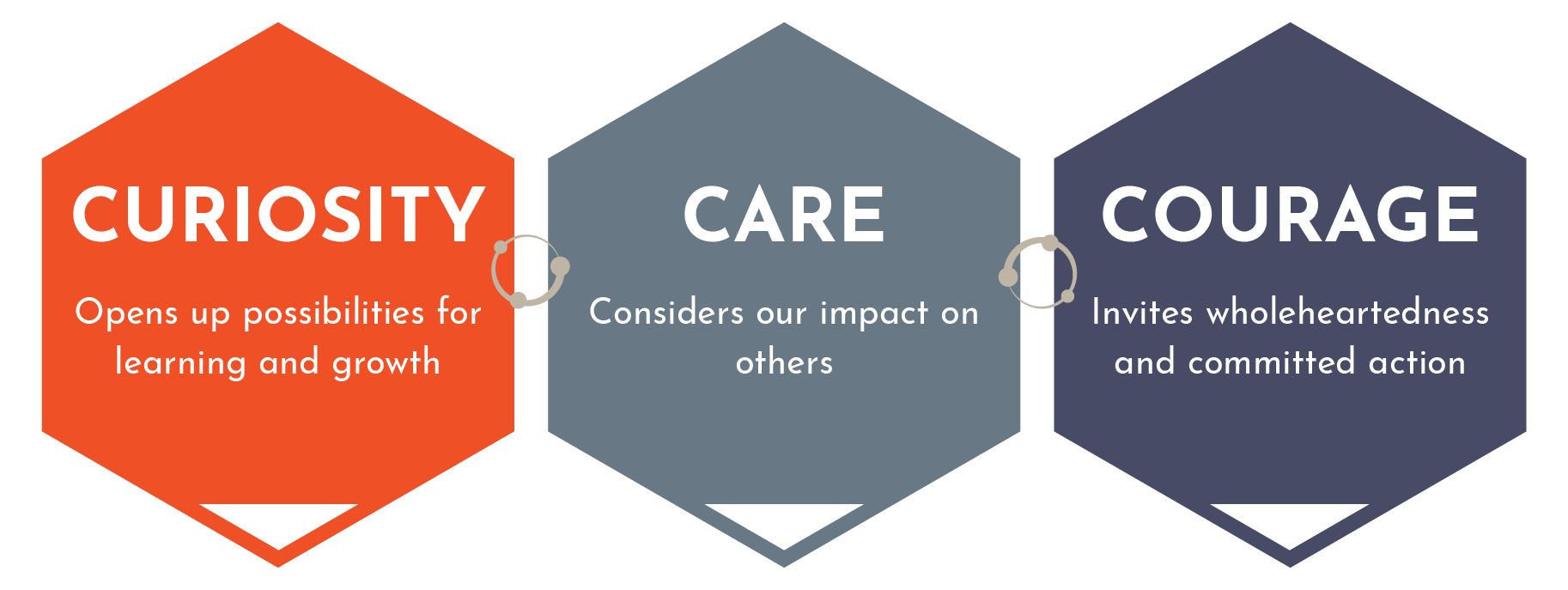
Curiosity, Care and Courage do their best work together. Too much care, in isolation, risks creating a culture of niceness where everyone is pleasant and so challenges are avoided. Too much courage without care creates a bluntness that shuts people down too early to truly explore and expand ideas. And too much curiosity without courage leans the other way towards endless exploration, a team that keeps asking questions and yet never makes the decision that will move them forward.
Choosing Curiosity, Care and Courage
Sometimes the most powerful action is to pause before you speak, especially when the conversation feels challenging. These reflections invite you to tune into your Curiosity, Care and Courage to have the conversation that really matters.
Curiosity
What is the question I haven't yet asked that will help me understand more?
Care
How do I raise this issue with both clarity and kindness?
Courage
What is the question I am avoiding, and what will help me to speak up?
What to notice when it is working
Stay curious as you experiment, and pay attention to the impact it has on you and others, and the conversations that become possible.
Common side effects may include: people disagreeing with you in the meeting, not after it. A decision made a month ago is still standing. Someone tells you something you did not want to hear, and then thanks you for asking.
The Cost of Caution FAQ’s
Why do teams avoid difficult conversations at work?
Most people are not being dishonest when they stay quiet. The CIPD's Good Work Index found that only 24 per cent of employees confront a challenging situation directly, largely because raising it feels like more trouble than it is worth, especially when a team has not built the trust, safety and skills for the conversation.
What does avoiding conflict actually cost a business?
ACAS puts the cost of workplace conflict to UK organisations at £28.5 billion a year, more than £1,000 for every employee, much of it the price of decisions that unravel, the necessary rework, and people who disengage rather than speak up.
Collaboration Equation®
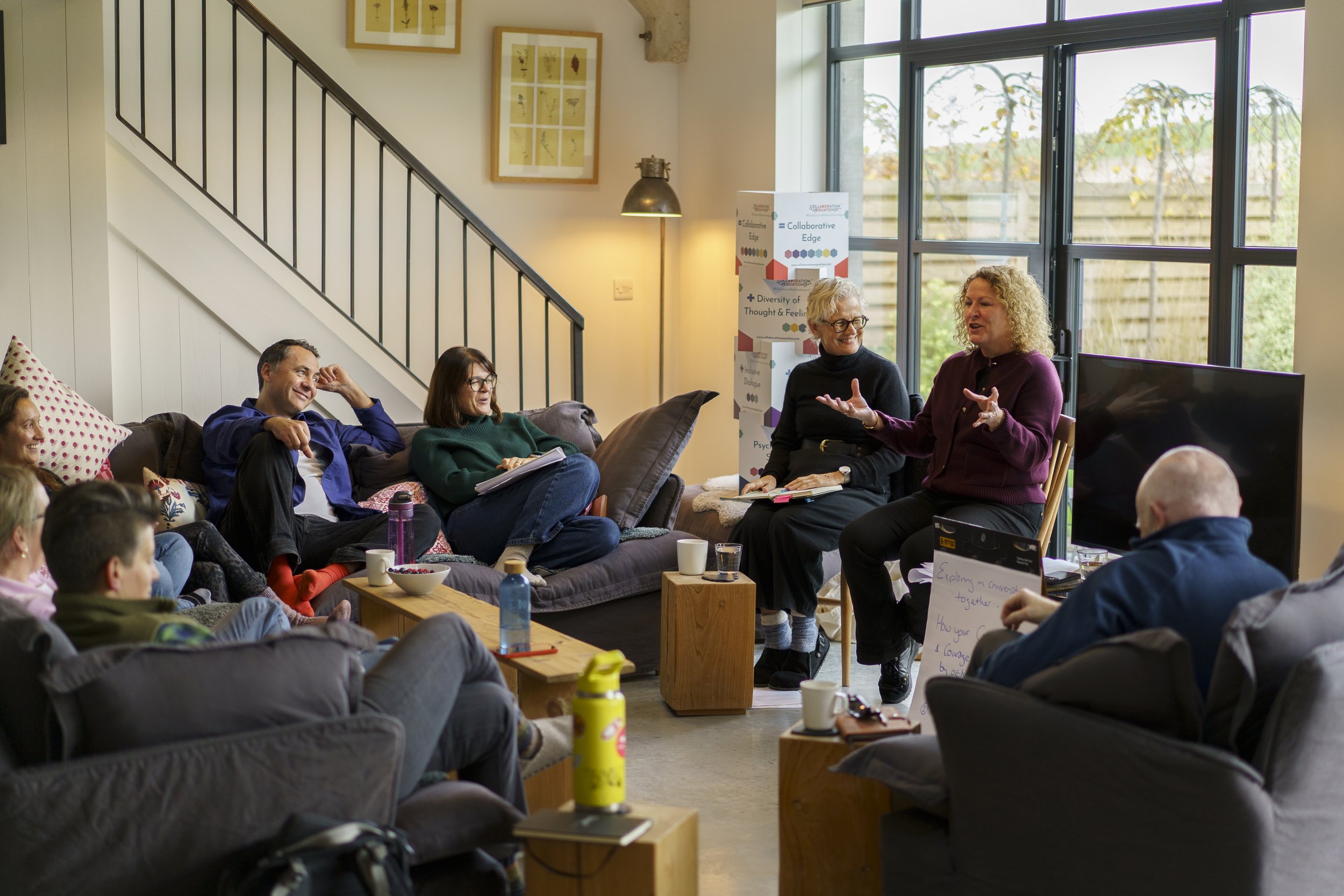
Collaboration Equation® is the leadership framework Lucy Kidd and Anni Townend created together, built on the behavioural mindsets of Curiosity, Care and Courage. It gives leaders and their teams a practical, relational way to build trust and navigate change through meaningful conversation. If something here has resonated, we'd love to talk.
Every engagement begins with a conversation.